Embarking on a yoga journey as a beginner can be both exciting and overwhelming. Yoga offers a sanctuary of benefits, from improved flexibility and strength to mental clarity and deep relaxation. However, starting with the right approach is essential to avoid frustration. By focusing on foundational poses, mindful breathing, and gradual progression, you can cultivate a practice that is both rewarding and sustainable.
Guidance for the Journey
To maximize your experience and keep your practice “slow” and intentional, keep these principles in mind:
- Focus on Your Breath: Deep, even breathing enhances relaxation and improves movement efficiency. It is your anchor.
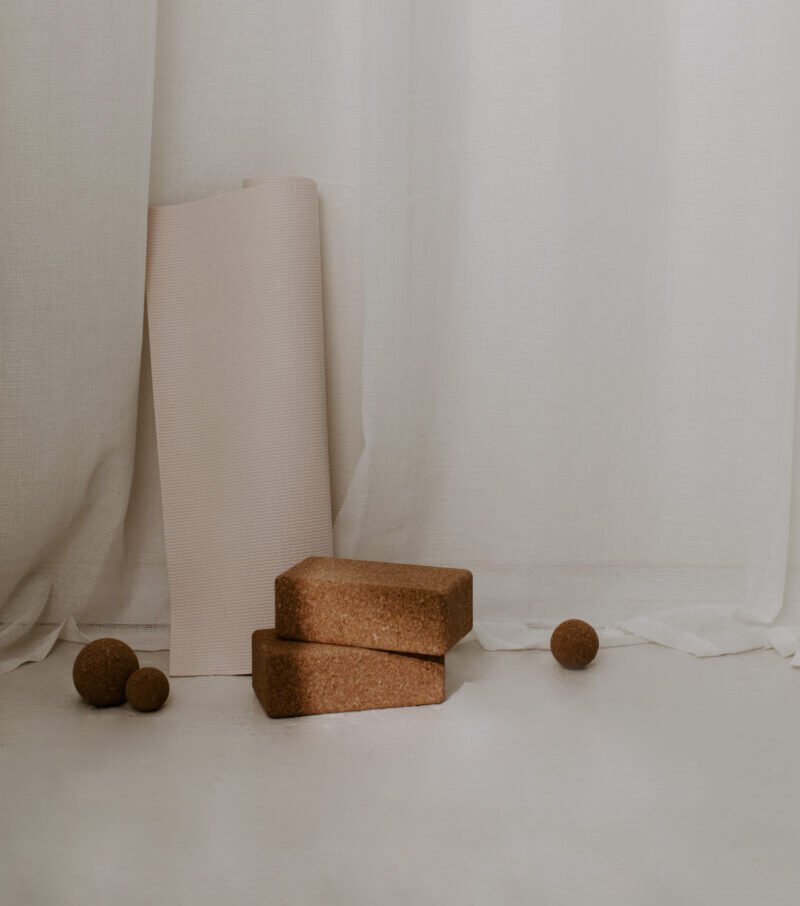
- Use Props: Blocks, straps, and cushions are not crutches; they are invitations to better alignment and support.
- Move at Your Own Pace: Avoid rushing. Ease into each shape and listen to the subtle signals of your body.
- Be Consistent: A few mindful minutes daily is more transformative than a grueling two-hour session once a month.
What to Wear: Comfort in Motion
The right attire is about more than aesthetics; it’s about removing distractions so you can focus on the breath.
- Breathable Fabrics: Opt for moisture-wicking materials that allow for ease of movement—think soft leggings, yoga pants, or fitted shorts.
- Supportive Essentials: A comfortable, supportive sports bra ensures stability during transitions.
- Bare Feet: Most practitioners find the best grip and stability practicing barefoot. If you prefer coverage, choose non-slip yoga socks.
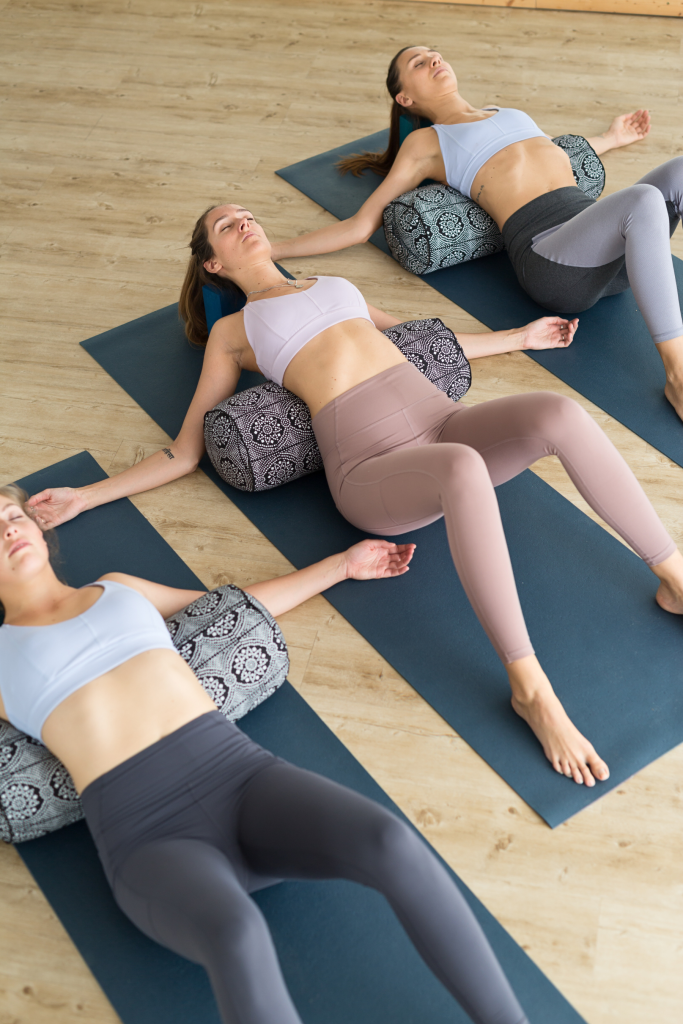
- Layers for Warmth: A light sweater or wrap is perfect for the beginning of class and essential for staying warm during Savasana (the final rest).
Your Toolkit: Common Props and Their Uses
Yoga studios provide tools to help you meet the floor where you are. Here is how to use them:
- Yoga Blocks: These bring the floor closer in standing or seated poses, providing stability where flexibility might still be developing.
- Yoga Straps: Excellent for “lengthening” your arms in seated forward folds or binds, allowing you to maintain a straight spine.
- Bolsters: Large, firm cushions that support the body in restorative poses, promoting total relaxation.
- Blankets: Use these for extra cushioning under the knees or to tilt the pelvis forward in seated positions.
- Yoga Wheels & Resistance Bands: Advanced tools used to deepen backbends or add gentle strength-building to a flow.
A Foundational Sequence for Beginners
If you are practicing at home, start with these five poses to establish body awareness and balance:
- Child’s Pose (Balasana): A gentle resting pose that promotes grounding.
- Cat-Cow (Marjaryasana-Bitilasana): To warm up the spine and coordinate movement with breath.
- Downward Dog (Adho Mukha Svanasana): To stretch the hamstrings and build upper body strength.
- Low Lunge (Anjaneyasana): To open the hips and enhance stability.
- Mountain Pose (Tadasana): The blueprint for all poses, encouraging proper posture and alignment.
Final Thoughts
Yoga is a journey of self-discovery and growth. As you begin, embrace patience and self-compassion. Whether you are seeking relaxation, strength, or mental harmony, the mat is a place to find balance in a busy world.
Trending Collection