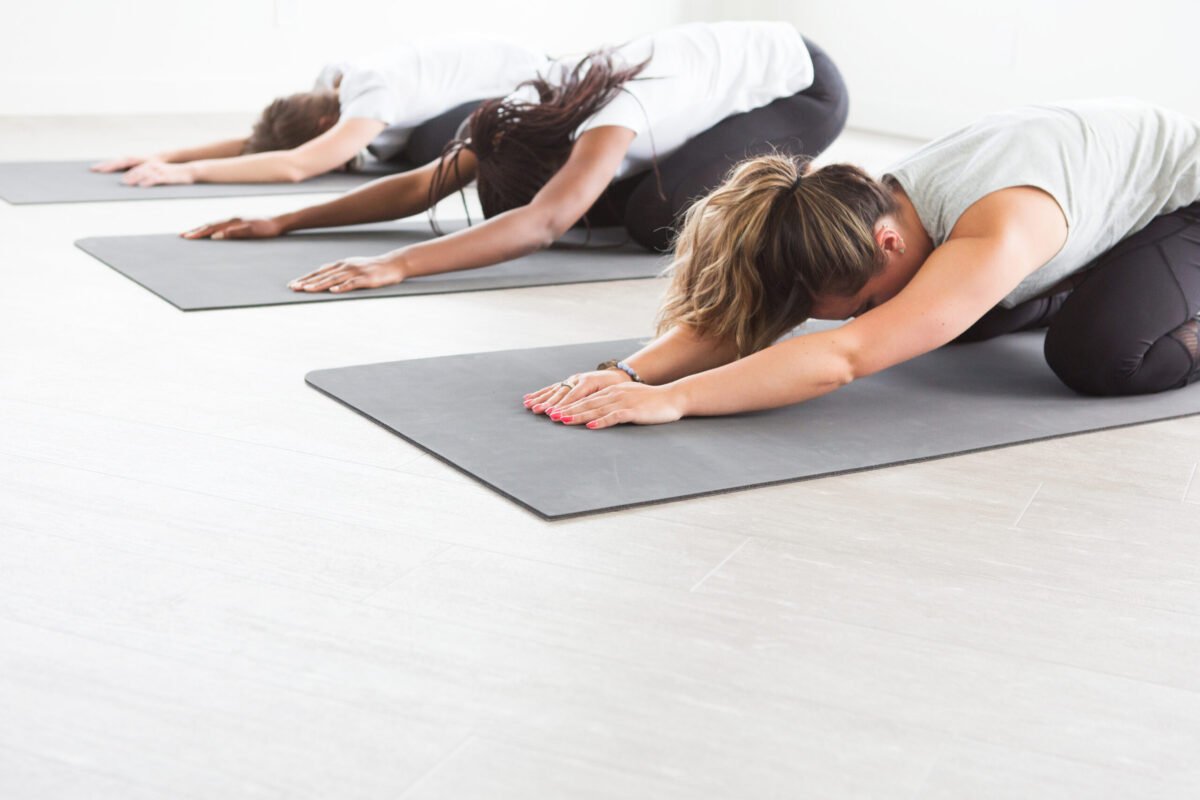
An Introduction to Restorative Yoga
In a world that values constant movement and relentless productivity, slowing down can feel like a radical act. We are taught to push, to strive, and to earn our keep. But what happens when we simply allow ourselves to be held?
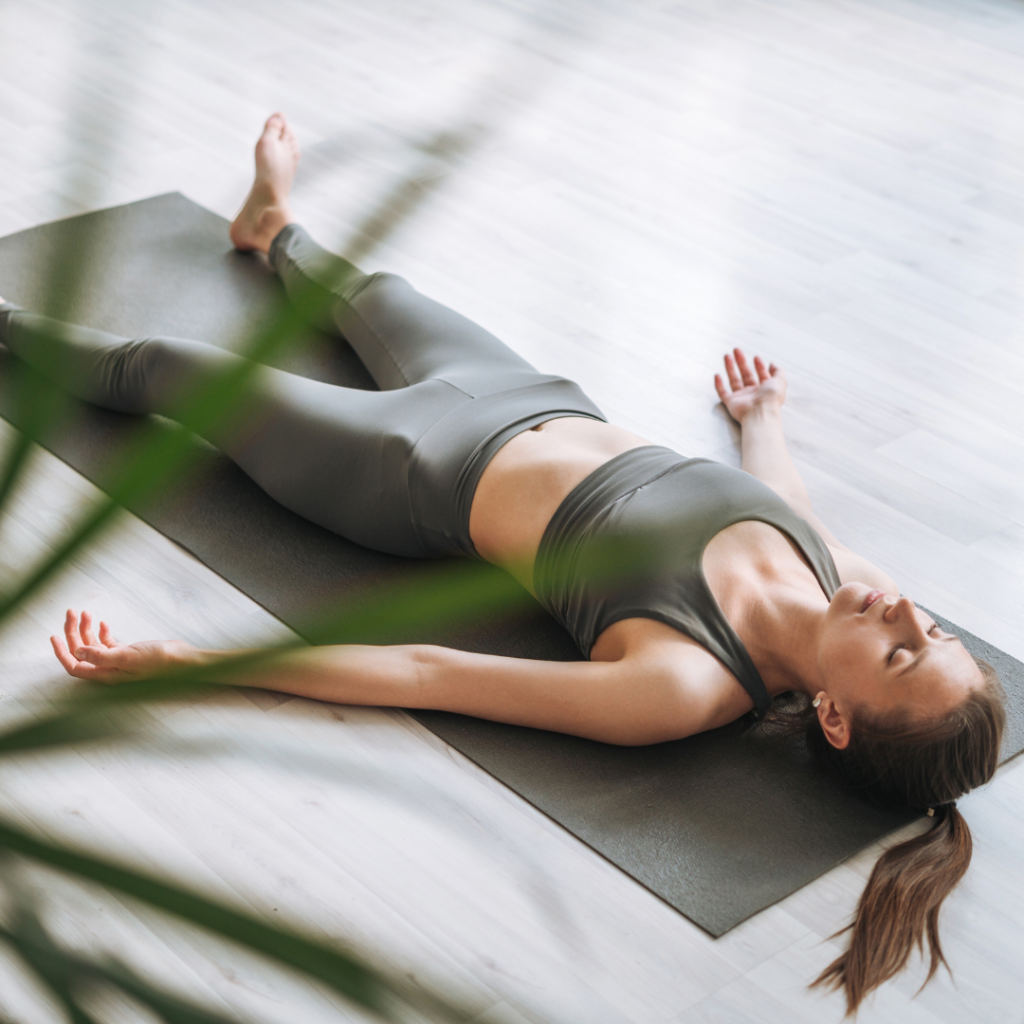
If you have ever seen photos of a yoga studio filled with bolsters, blankets, and flickering candlelight—where the practitioners aren’t moving, but resting—you may have wondered: Is this yoga? The answer is a resounding yes. It is the yoga of the nervous system. It is the practice of deep, soulful surrender.
Surrendering the Effort
Restorative yoga is a passive practice designed for one thing: the complete reset of your internal state. Unlike dynamic styles that focus on strength or flexibility, Restorative yoga asks for zero effort.
By using props—bolsters to support the spine, blankets to weight the limbs, and eye pillows to soften the gaze—we create an environment where the body feels safe enough to let go of its “fight or flight” response. In this space, each posture is held for ten, fifteen, or even twenty minutes. It is yoga’s version of a long, nourishing exhale.
The Shift: From Pushing to Receiving
Many of us struggle with stillness. We find that when we stop moving, our minds begin to race. This is exactly why the practice is so vital.
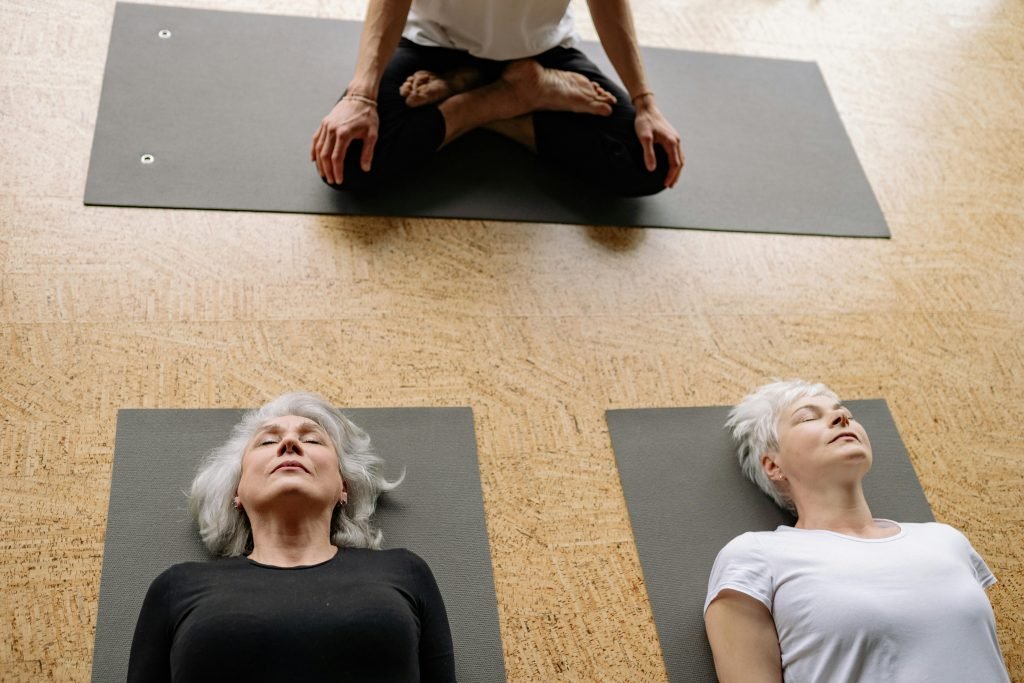
When we sit—or lie—in supported stillness, we are sending a physical signal to the brain that the “harvest” is done for the day. We move out of stress mode and into the “rest and digest” state. The benefits are felt long after you leave the mat:
- A Quiet Mind: Lowering cortisol levels and easing the hum of anxiety.
- Physical Recovery: Releasing chronic tension in the neck, shoulders, and hips without the strain of stretching.
- Deepened Sleep: Preparing the body for a truly restorative night by slowing the heart rate and deepening the breath.
Choosing Your Path: Restorative vs. Yin
It is a common mistake to confuse Restorative yoga with Yin yoga. While both are slow, their intentions are different. Yin is about the “healthy stress” of a deep stretch to open the tissues of the body. Restorative is about comfort. If you feel a “stretch” in Restorative yoga, you add more blankets. The goal is not to feel a pull, but to feel a sense of weightlessness.
Stepping Into the Stillness
If you are preparing for your first experience with this practice, remember that you are not there to “achieve” a pose. You are there to receive rest.
- Dress for Comfort: As your heart rate slows, your body temperature will drop. Wear soft layers, warm socks, and perhaps bring a favorite scarf.
- Release the Need for Results: There is no perfect alignment in Restorative yoga. The only goal is to be as comfortable as humanly possible.
- Embrace the Fidgets: If you feel restless, acknowledge it. It is simply the “hurry” leaving your body. Breathe through it and let the bolsters carry your weight.
Final Thoughts
Restorative yoga challenges the idea that doing more is always better. It teaches us that stillness is just as valuable as movement and that deep rest is not a luxury, but a necessity.
The next time you feel drained, overwhelmed, or disconnected, consider stepping onto your mat—not to sweat or strengthen, but to be held. Permit yourself to lean into the slowness. You may find that this is exactly what your soul has been craving.
Trending Collection