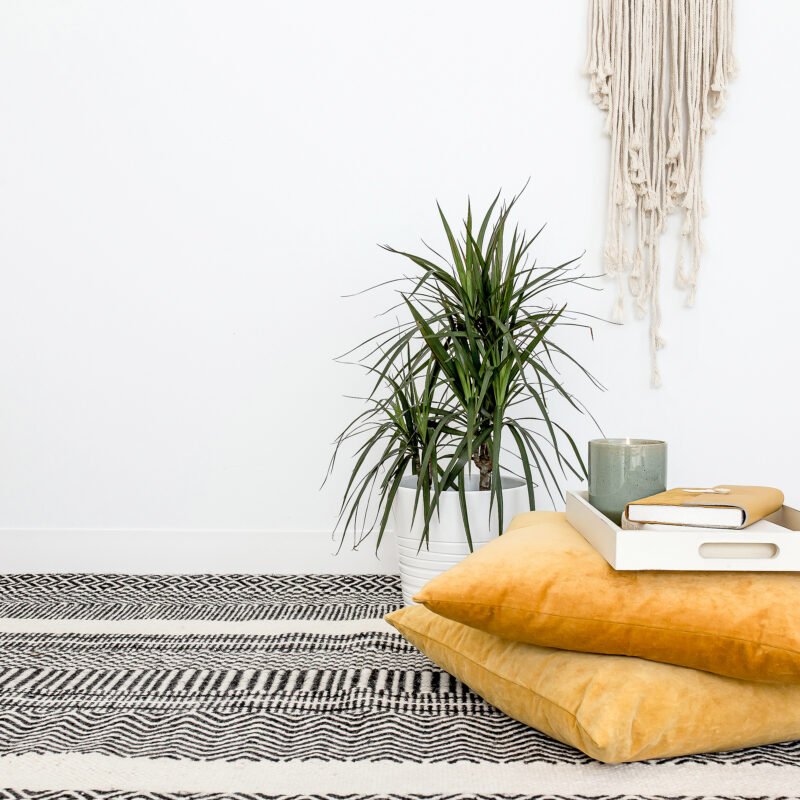
Creating a Sacred Space
As human beings, we are creatures of habit. We create routines to bring structure—a morning cup of tea, an evening stroll, the deliberate arrangement of a room. In the same way, setting aside a physical space for reflection helps cultivate a sense of consistency and deep-seated peace.
For years, a small corner of my home has served as my anchor. It is nothing extravagant—a simple altar with a candle, a few meaningful objects, and a journal—but it serves as a gentle cue that it’s time to turn inward.
A Bridge Between the Material and the Sacred
Whether called an altar, a prayer corner, or a meditation nook, these spaces have existed across almost every culture for millennia. They serve as a bridge, offering us a place to pause.
- In Tradition: From the dedicated puja rooms in Hindu homes to the quiet prayer corners of the Christian tradition, these spaces symbolize purity and devotion.
- In Modern Life: Today, a personal altar can be entirely secular—a simple arrangement of natural elements and meaningful objects that remind us of our values and our intention to live mindfully.
The Ritual of Arrangement
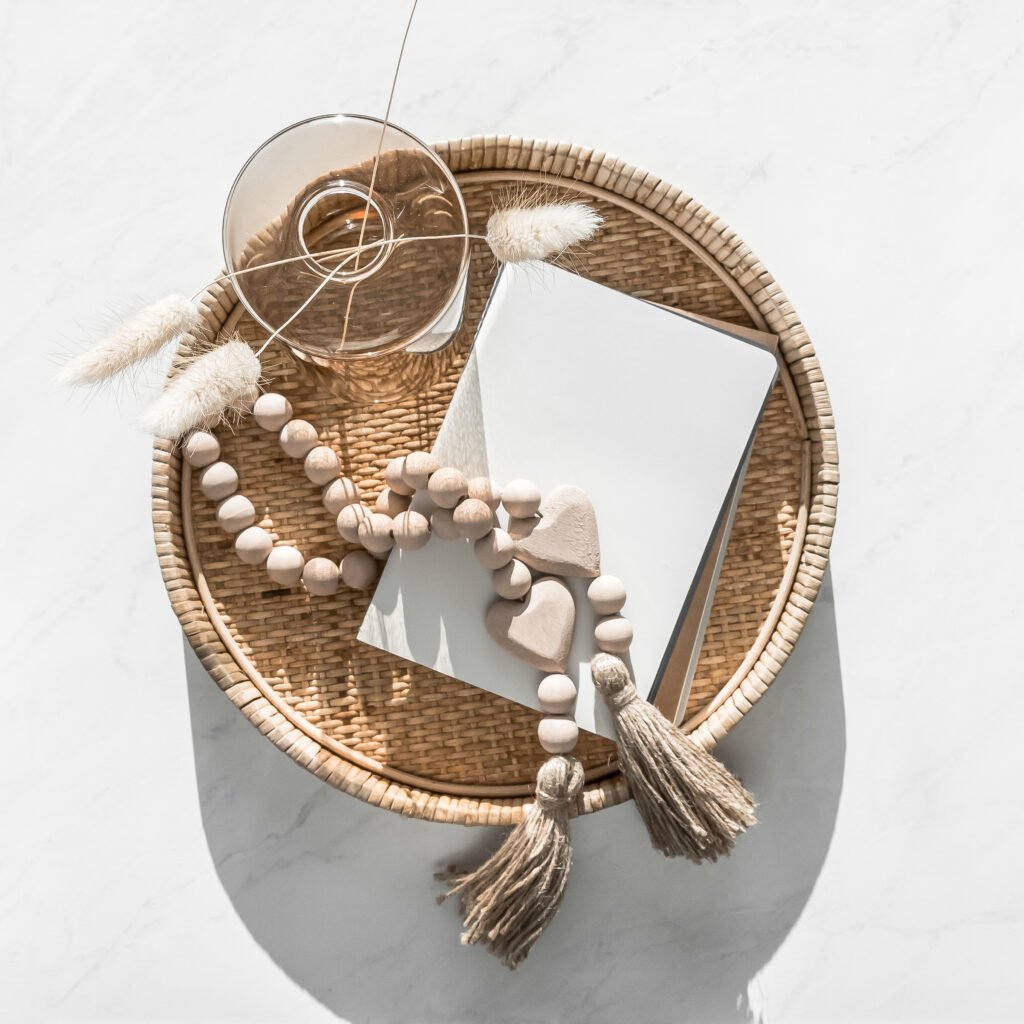
A personal sanctuary doesn’t require a large room; it only requires intention. When choosing objects for your space, look for those that carry a quiet weight of meaning:
- Natural Elements (The Earth Anchor)
- Bringing the “Harvest” indoors to ground the space. This could be a stone from a favorite path, a single dried leaf, a crystal, or a small bowl of water to represent the physical world.
- Light and Scent (The Sensory Signal)
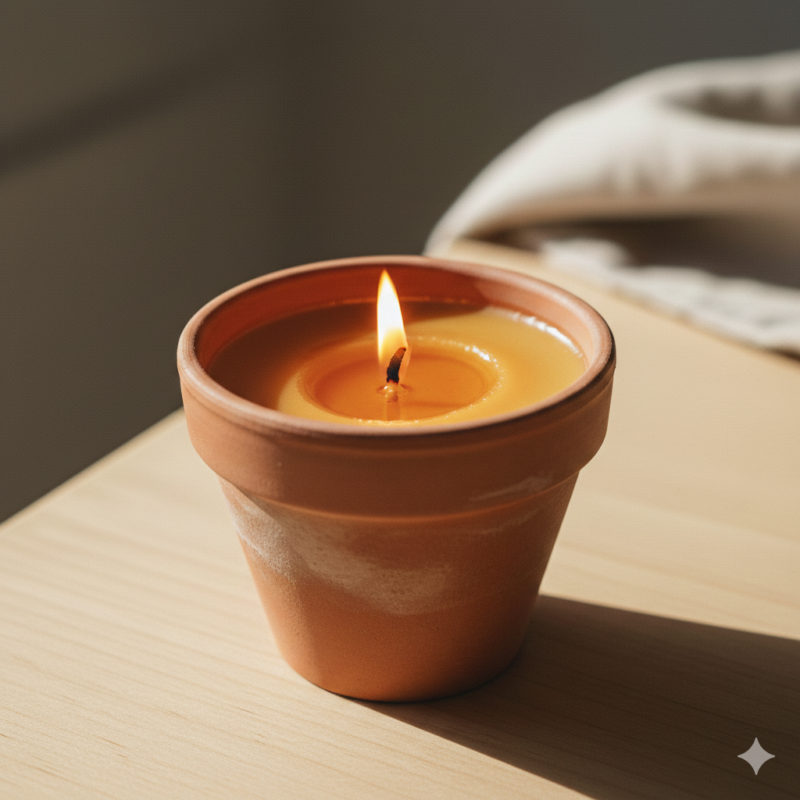
- The ritual of lighting a single beeswax candle or a bundle of incense. This acts as a sensory cue to your brain that the pace of life is changing and stillness has begun.
- Spiritual Symbols (The Focused Center)
- A meaningful icon that anchors your focus and reflects your beliefs—whether it is a small statue, a cross, or a symbolic object that holds deep personal weight.
- Personal Anchors (The Soul Connection)
- Something that reflects your specific journey in this moment. This might be a cherished photograph, a handwritten affirmation card, or a memento that connects you to your “why.”
- The Written Word (The Intellectual Rest)
- A dedicated place for wisdom and reflection. Keep a book of poetry, a sacred text, or a clean journal and pen nearby to capture the thoughts that arise in the quiet.
“An altar is more than a collection of objects; it is a space infused with the history of your own quiet moments.”
Integrating the Altar into the “Slow Harvest”
An altar is most potent when it is used as a living part of your day. It is not a museum, but a tool for renewal.
The Morning Intention Begin the day by sitting in this space before the noise of the world enters. Light a candle, set one intention for how you wish to be (rather than what you wish to do), and breathe.
The Evening Reflection As the light fades, return to the altar to let go of the day’s complexities. It is a space to express gratitude and to signal to the mind that it is safe to rest.
Final Thoughts
There is no “correct” way to build a sanctuary. It is a deeply personal expression of what brings you home to yourself. It is an invitation to honor the sacred in the everyday—a visual reminder that even in a busy world, stillness is always available to you.
Trending Collection